For cross-border operations:Odoo digital system
seamless processes that lift both efficiency and customer satisfaction — all in one Odoo system.
Get started
Put enquiries, orders, customs and payments in one system —no more moving data by hand
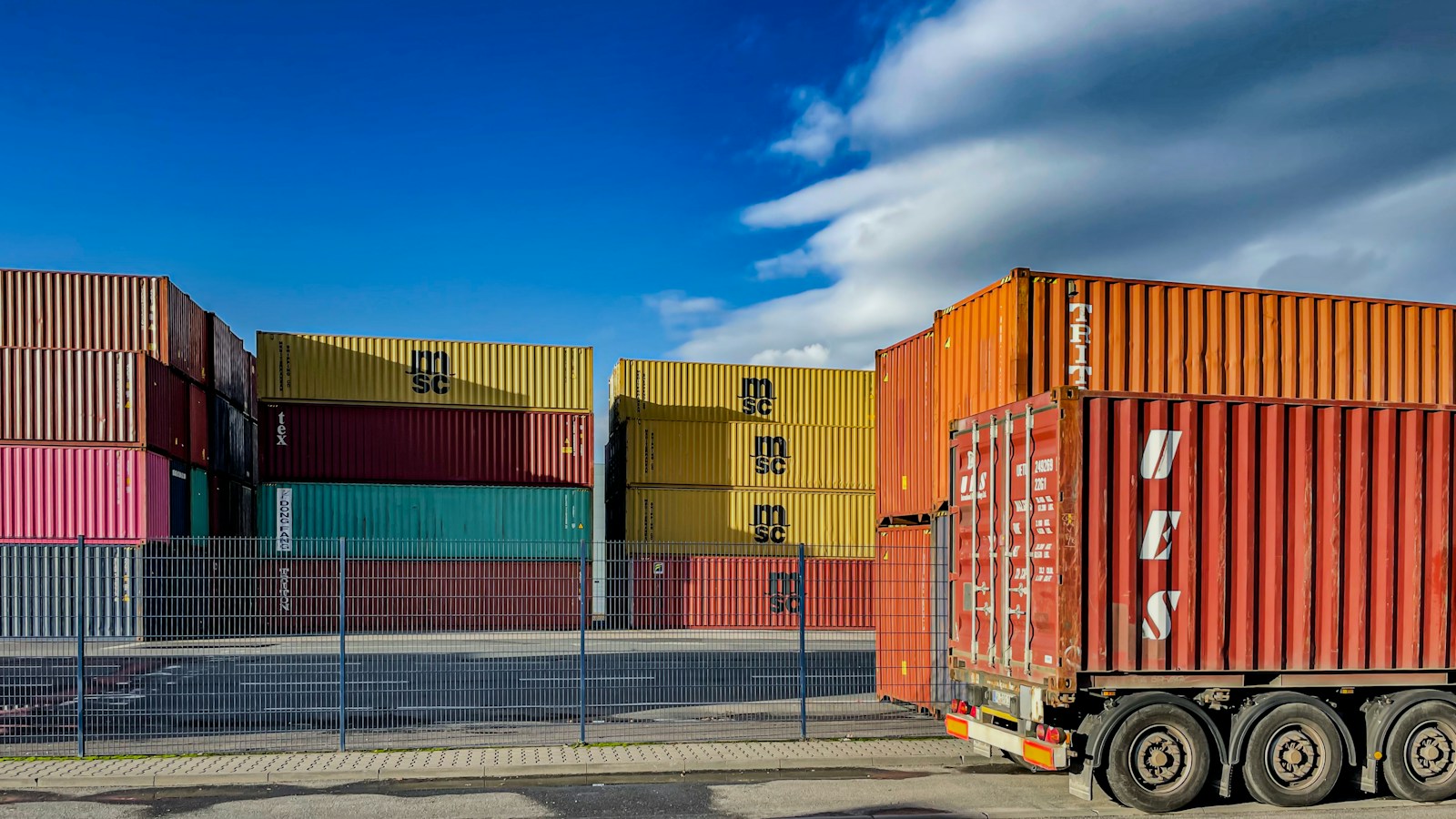
The business is growing — why is managing it getting harder?
As order volumes grow and overseas business expands, fragmented systems, complex reconciliation and opaque global inventory quickly get worse. The reason is that data sits in separate systems, so managers are always wise after the event.
Odoo gives trading companies end-to-end management from enquiry to payment — multi-currency, multi-company and multi-warehouse on one platform, with data flowing in real time so global business is visible at a glance.


The cost of fragmented systems grows with the business
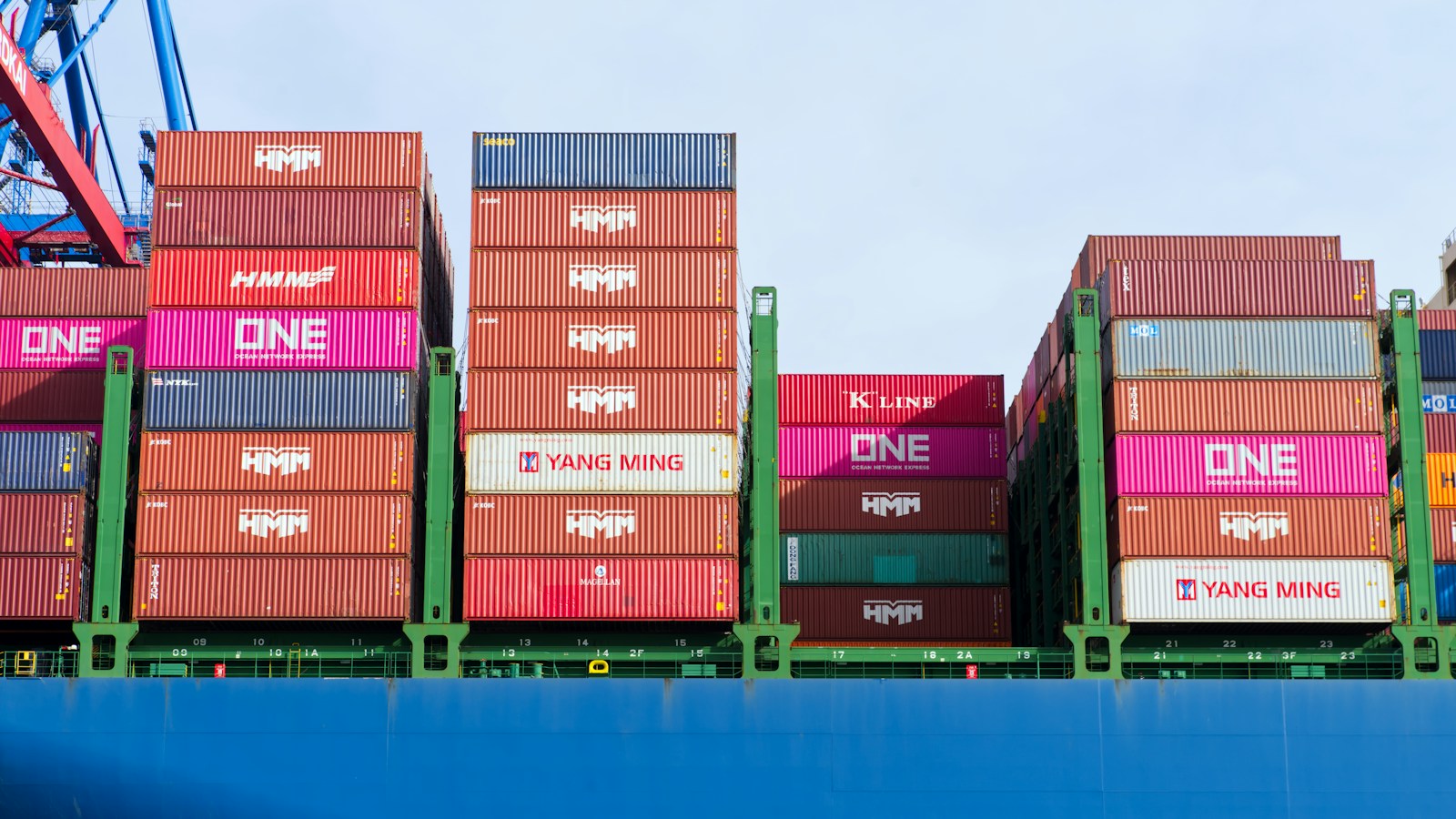
Every step of a trading business generates data, but it usually lands in different places:
- Quotations, orders, shipments, invoices and payments spread across systems, with data moved by hand
- Multi-currency settlement and exchange-rate movement make reconciliation complex and error-prone
- Domestic and overseas entities keep separate books, and consolidation is stitched together in spreadsheets
- Global multi-warehouse stock is opaque, so overstock and stock-outs happen at the same time
- Customs and VAT documents are prepared by hand, so deadlines are hard to guarantee
- Managers see data after the fact, and the loss has already happened when the problem surfaces
The solution — Odoo as the integrated digital system for cross-border operations
Bring every process into one Odoo system: all departments read the same real-time data and collaborate without seams.
Products, variants and price lists managed centrally
Orders flow automatically, from receipt to shipment
Web shop, stores and marketplaces share one set of data
Connects to major carriers and payment providers
One inventory: ledger, receipts, issues and counts
CRM, marketing automation, support and tickets on one platform
One finance: invoicing, reconciliation and cost control
Runs on tablet and phone, so you can work anywhere
Odoo keeps quotations, orders, inventory and payments
in one system, with data synced in real time.
Web shop, inventory, POS and finance — seamlessly connected
Odoo modules are fully integrated and scale flexibly as the company grows.

E-commerce
A professional web shop with product management, customer accounts and online ordering

POS
A modern point of sale in stores, fully connected to the back office

Inventory
Inventory, receiving, picking and shipping managed centrally

Marketing
Effective email marketing, marketing automation and more
These modules run in the same Odoo — entered once, available across the chain in real time.
Questions you may have
How does Odoo handle multi-currency business?
Orders, purchases and invoices are booked in their original currency, converted automatically to the company currency, with exchange differences shown separately. Quotations and settlement can use different currencies with no manual conversion.
Can domestic and overseas companies share one system?
Yes. In a multi-company setup each company keeps its own books and reports, while inter-company transactions and consolidated reporting are supported, so management sees the whole picture in one place.
How are customs and VAT documents prepared?
The documents, amounts and taxes required for customs and filings are generated from transaction records, reducing manual preparation. Specific filing requirements follow local tax rules and regulations.
Can overseas and domestic stock be seen in real time?
All warehouses sit in one inventory system, so transfers, in-transit quantities and availability are visible in real time, with overseas warehouses updated in step with domestic ones.
How long does go-live take?
Scope and timing depend on process complexity and the number of parallel systems. We usually start with a management diagnosis, then agree scope and schedule; the plan after diagnosis and the contract govern the specifics.
We already have an ERP — can we move over?
Yes, in phases: review existing data and processes, switch module by module, and import history as needed. A full one-off replacement is not required.
A complex process?
With Mikorou, getting Odoo live is actually simple.
Contact us
Mikorou (Suzhou) Technology Co., Ltd.
Room 1402, Xinzhou Building,
No. 49 Nantiancheng Road, Xiangcheng District, Suzhou

A digital partner who understands running a business Management diagnosis · Odoo · AI Two entities in China and Germany